
Building More Than Buildings: The Life and Legacy of Oliver B. Street
BY ASEEL AL KHDAIRAT, 2026 RUBIO FELLOW
This article appeared in Preservation Austin's Fall 2026 newsletter. Join or renew as a member to receive future issues straight to your door!
I would like to see someone take it upon themselves to write the life story of Mr. Street so that Black kids in Austin will know who and what he was. And so they too can have someone to be proud of.
— Civil rights activist Dorothy Turner quoted in “The Life and Legacy of Mr. Oliver B. Street, Oliver B. Street Construction Company,” NOKOA: The Observer, 1988 [1]
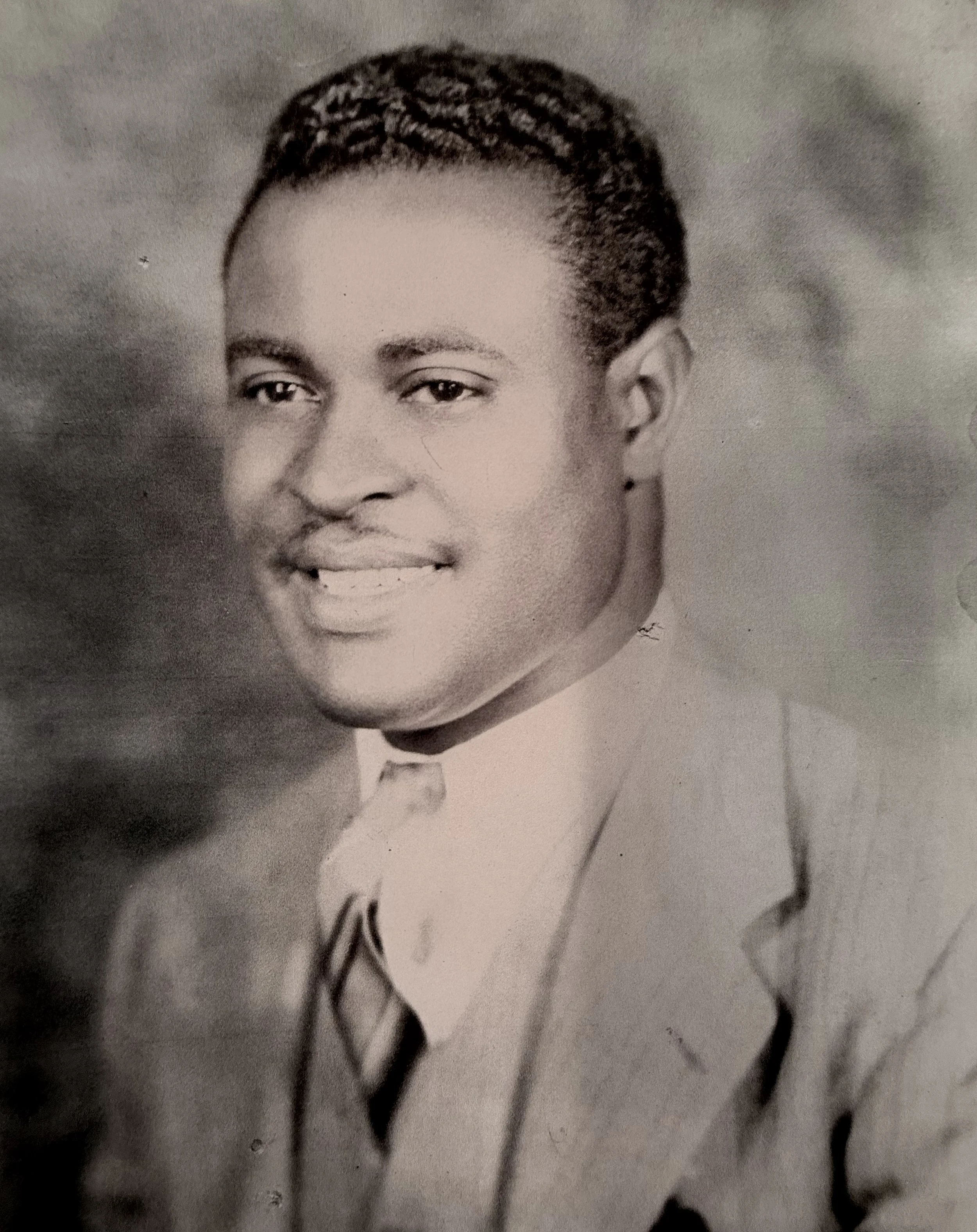
Portrait of Oliver B. Street. Folder 6, Box 1, AR.2012.003. Oliver B. Street Papers, Austin History Center, Austin Public Library.
In considering the history of East Austin and how it has been shaped into the community we know today, the builder and contractor Oliver Bertram Street (1910–1988) emerges as one of the key figures who influenced both its physical spaces and social foundation. Street worked in construction in East Austin over the course of four decades beginning in the 1940s. During this period marked by segregation, resilience, and the growing civil rights movement, creating spaces where Black families could live, work, and establish their own community was a powerful act of determination and self-definition. Through his construction work and commitment to community service, he helped support and strengthen Black society in East Austin while advocating for opportunity, dignity, and equal rights during a critical moment in the city’s history. Despite these contributions Street’s work is not widely known; this article seeks to shed light on his remarkable trajectory and impact.
Life and Early Career
Street was born on February 11, 1910, in Austin, Texas, to Andrew Street and Bessie Rose Ann Roberts Street. He attended Anderson High School and Samuel Huston College in Austin before going on to Tuskegee University in Alabama and establishing his family and career. Before attending Tuskegee, Street worked in the building industry by driving gravel trucks and setting dynamite—gaining firsthand experience in construction work. During the Great Depression, however, the construction industry declined dramatically, limiting opportunities in the building trades.[2] In response, Street established his first business, The Ideal Shop, in the early 1930s, specializing in cabinetry. Although his long-term interest was construction, the cabinet shop on Salina Street in Austin allowed him to stay connected to the industry until conditions improved and he eventually expanded into general contracting.
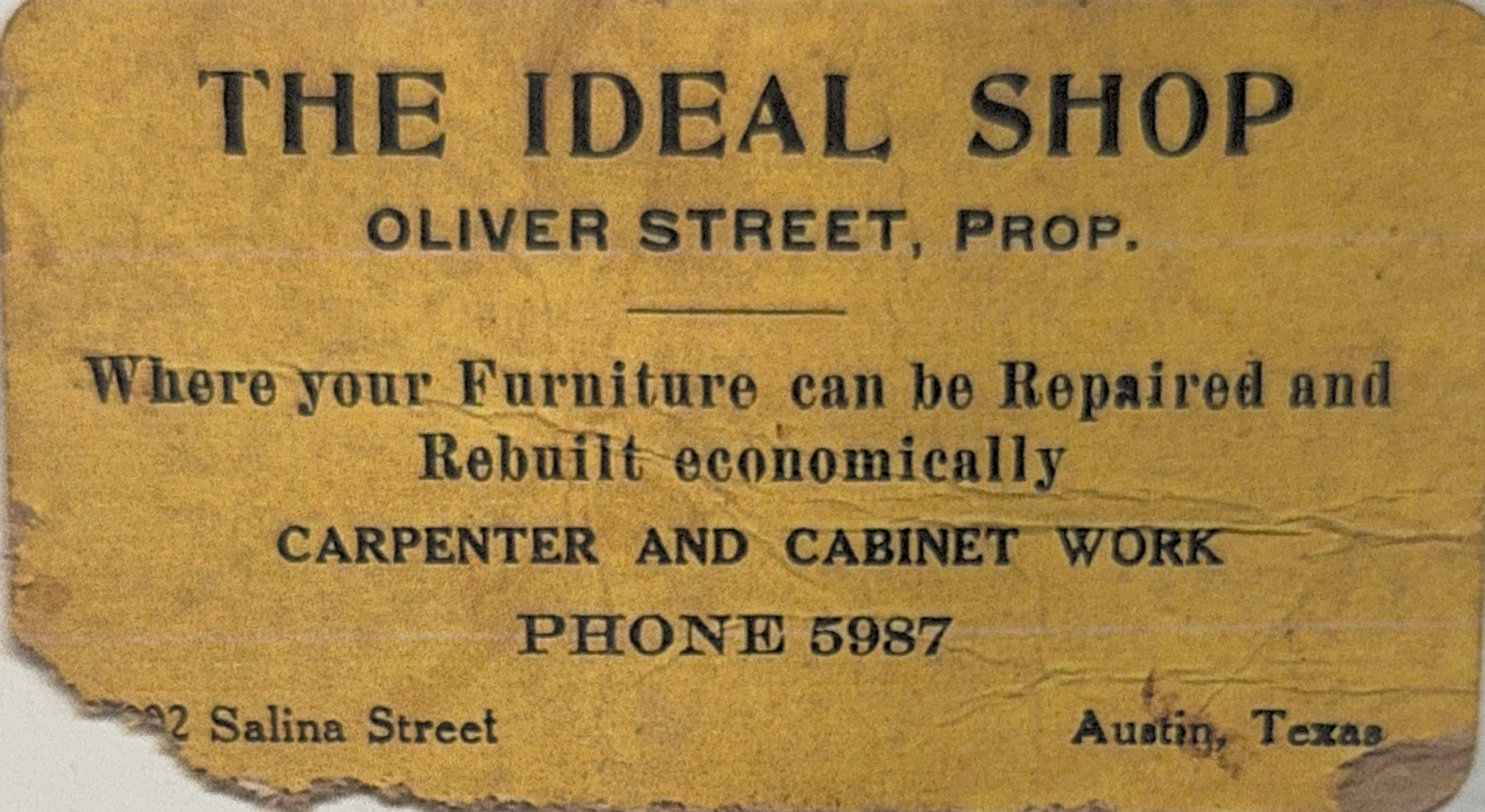
Business card advertising the Ideal Shop. Oliver B. Street Biography Files, AR.2012.003. Oliver B. Street Papers, Austin Histoy Center, Austin Public Library.
Street's first major project took him to Oklahoma, where he constructed a brick building that housed a barbershop, café, and store. Although he successfully completed the project, the experience made him realize that he still had much to learn. [3] In 1935 he enrolled at Tuskegee to further develop his knowledge of building and construction.[4] Limited financial resources prevented Street from completing his studies at Tuskegee, but it was here that he would meet his future wife. [5] Maery Lou Young (1917–2020) of Miami, Florida, graduated from Tuskegee cum laude with a Bachelor of Science in Business. [6]
While Maery Lou pursued job opportunities in Atlanta (as secretary to one of the directors of North Carolina Mutual Life Insurance Company) and Washington, DC (in a position with the federal government),[7] Oliver returned to Austin to establish his career as a builder. In the late 1930s he established his first construction business in a rented space occupying one half of a building in the 1100 block of East 11th Street, in the heart of Austin’s Black business district. He also began building a house intended for himself and Maery Lou, who he married in August 1941. The house was just a block away from his own childhood home at 402 Pleasant Valley Road. Oliver asked his wife not to move to Austin until he finished their house at 306 North Pleasant Valley, because he wanted to start his family in a house he built. Maery Lou moved into the completed house in Austin in 1942, and the couple welcomed their son, Oliver B. Street II, in 1946. [8]
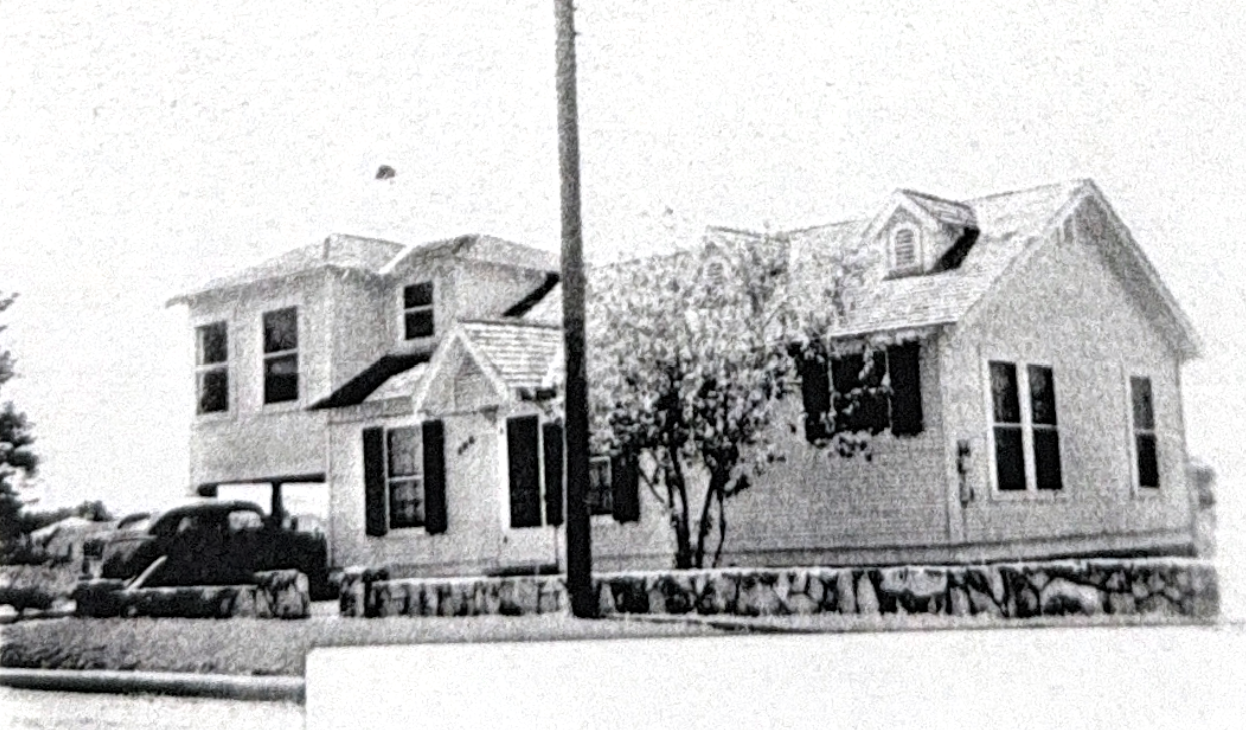
Oliver B. Street House at 306 North Pleasant Valley Road. Folder 2, Box 2, AR.2012.003. Oliver B. Street Papers, Austin History Center, Austin Public Library.
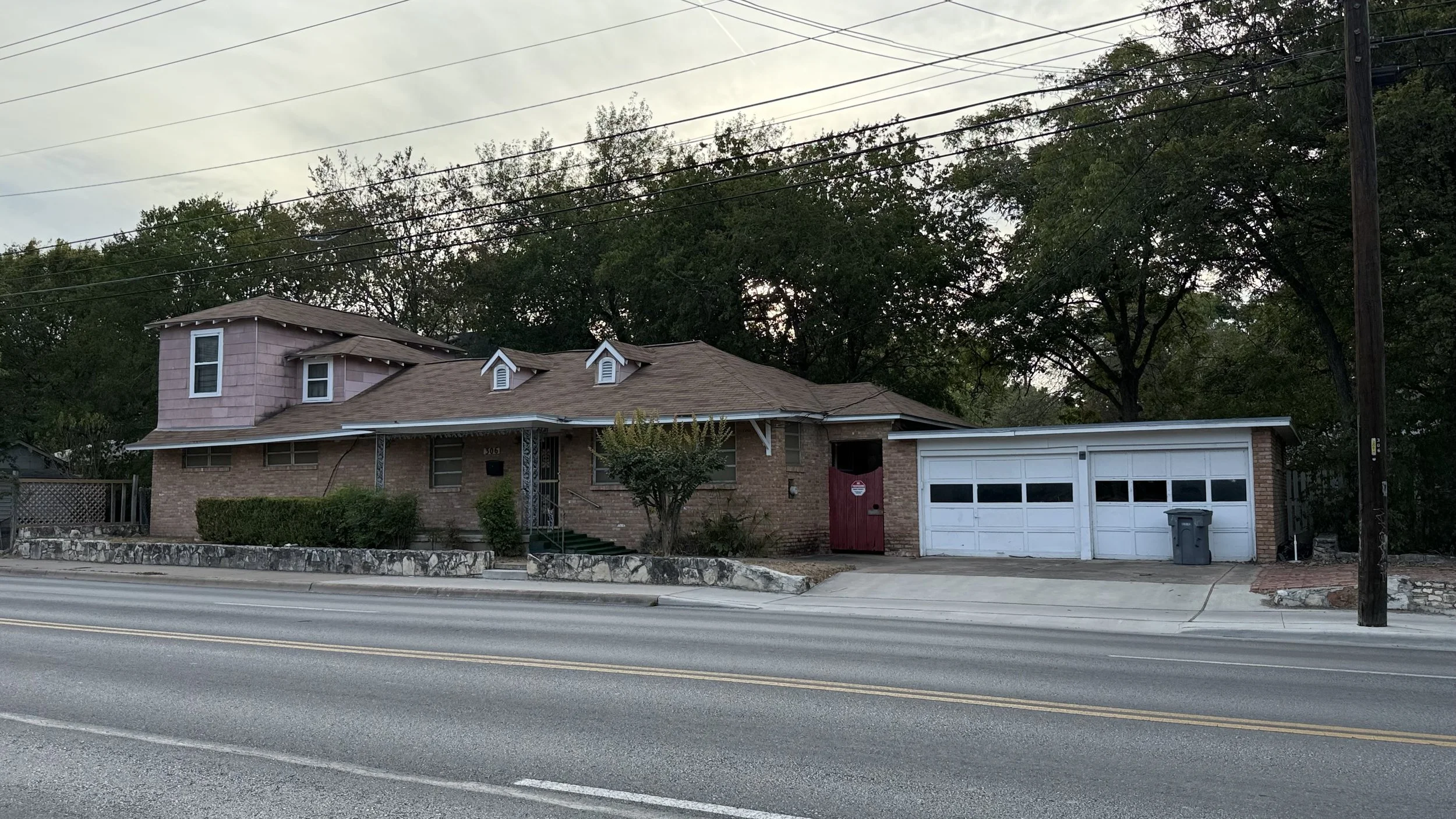
Oliver B. Street House at 306 North Pleasant Valley Road, 2026, Aseel Al-Khdairat, 2026.
Street’s family life and growing career were interrupted by World War II, when Street served in the U.S. Army from January 3, 1943, to September 24, 1945, attaining the rank of Staff Sergeant. [9] In late 1945 after his discharge from the armed forces, Street went back to Austin and rented a space for construction work, one block west of the previous location, on the corner of Curve and East 11th Streets. As his business expanded and started to gain more recognition, he rented a building at the rear of the lot, which he later converted into a skating rink, and finally built a permanent structure for The Oliver B. Street Construction Company at 924 East 11th Street, constructed from 1955 to 1958. [10]
During their early years in Austin, Mrs. Street worked as an assistant for her husband's company. By 1957, she began teaching, and obtained her Master of Education degree from The University of Texas at Austin. [11] She taught Business Education at Tillotson College before working for Austin ISD for about 20 years as an English teacher at the segregated Old Anderson High School and later at Lanier High School. [12] Through this new teaching career, Maery Lou established deep roots in the East Austin community, much like Street’s burgeoning construction career.
A Legacy Built in Austin
For more than forty years, Street served East Austin passionately, not only through his skillful work but also through his commitment to social equity. Through the Oliver B. Street Construction Company, he built a profession among African Americans and members of other communities in Austin. At a time when Black workers in East Austin faced limited access to employment and opportunities to learn skilled trades, Street’s business offered both. He provided jobs while training young workers in construction—helping them build careers and achieve economic independence. [13] As his son Oliver B. Street II recalls, “He was an equal opportunity employer who hired all races” and who “expressed a philosophy that everyone deserved a safe, decent place to live.” [14]
Despite the barriers he faced as a Black builder during segregation, Street worked his way from cabinetmaking to general contracting. Oliver II notes that, as a Black builder during the segregation and Jim Crow era, his father overcame business obstacles "through personal relationships, trust, quality of product, sound business practices, and honoring his word.” [15]
Street put this philosophy into practice in East Austin by helping families access affordable housing, particularly those who were often excluded from conventional lending or unable to meet financial requirements such as down payments. [16] His efforts supported families who faced barriers to building or purchasing a home at a time when many architects and builders would not work with Black families. [17] He donated his services to renovate housing for low-income residents in east Austin and supported families in need by allowing them to live rent-free in properties he owned. [18] Through these efforts, his work contributed not only to the physical growth of East Austin, but also to the social and economic stability of the families who called it home.
Street’s work included a wide range of construction projects: residences, nursing homes, service stations, commercial buildings, churches, funeral homes, and early mini malls. Several of Street’s buildings still stand today in Austin, including Echol’s Corner (1952); the Mount Bonnell Masonic Lodge Hall (1955); and the Fuller-Sheffield Funeral Home (1968). [19]
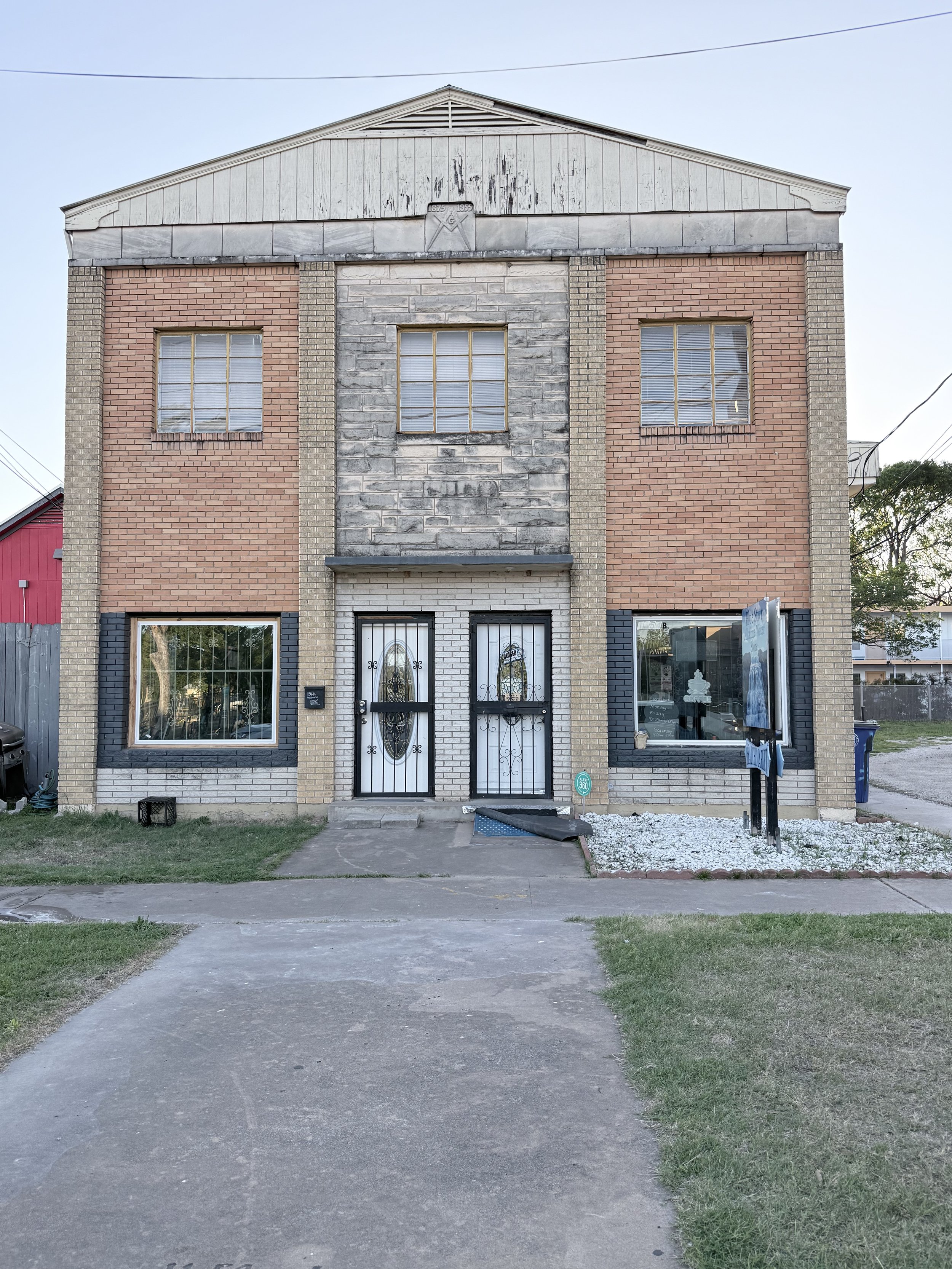
Mount Bonnell Masonic Lodge Hall, 2026, Aseel Al-Khdairat
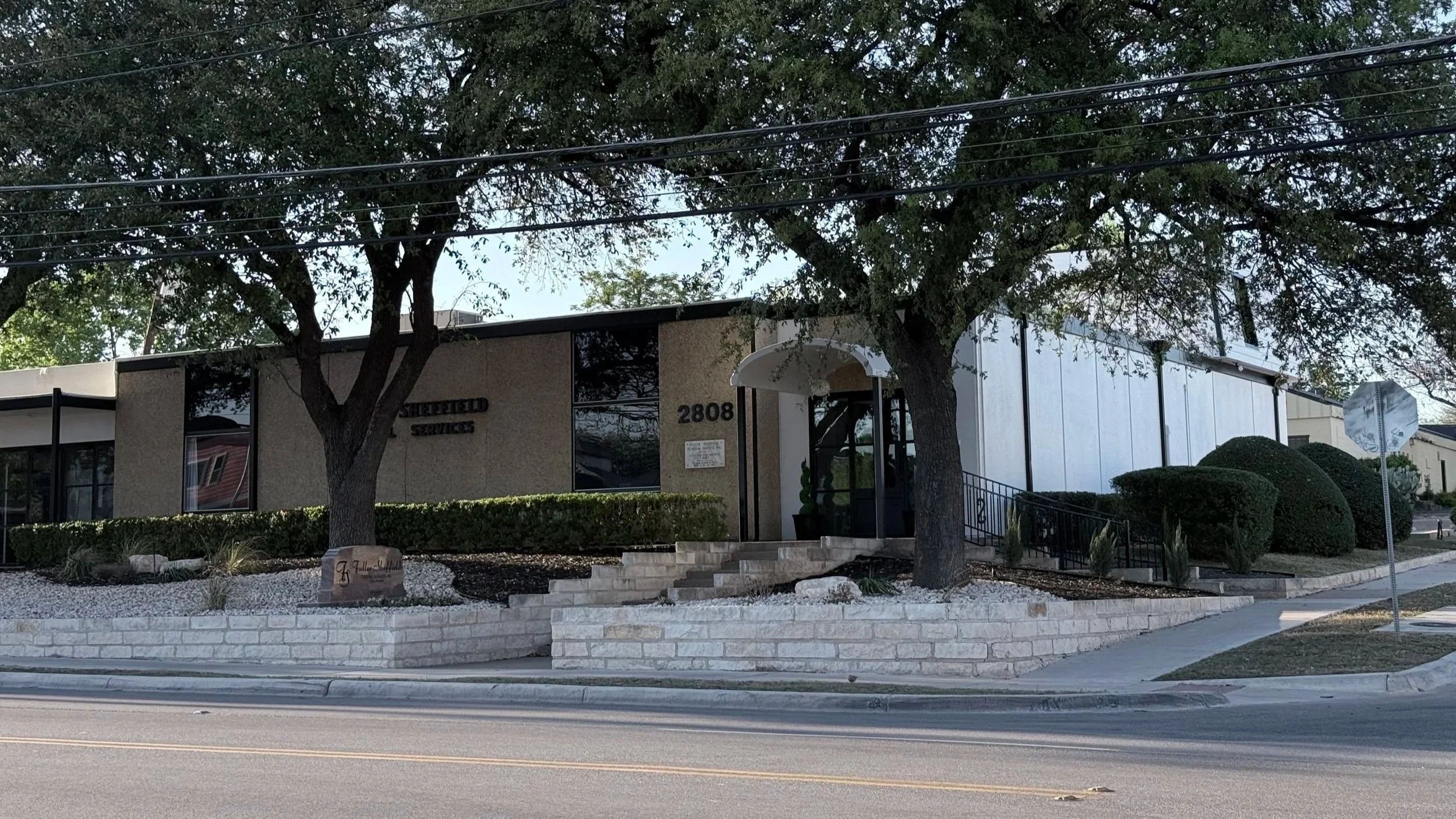
Fuller-Sheffield Funeral Home, 2026, Aseel Al-Khdairat
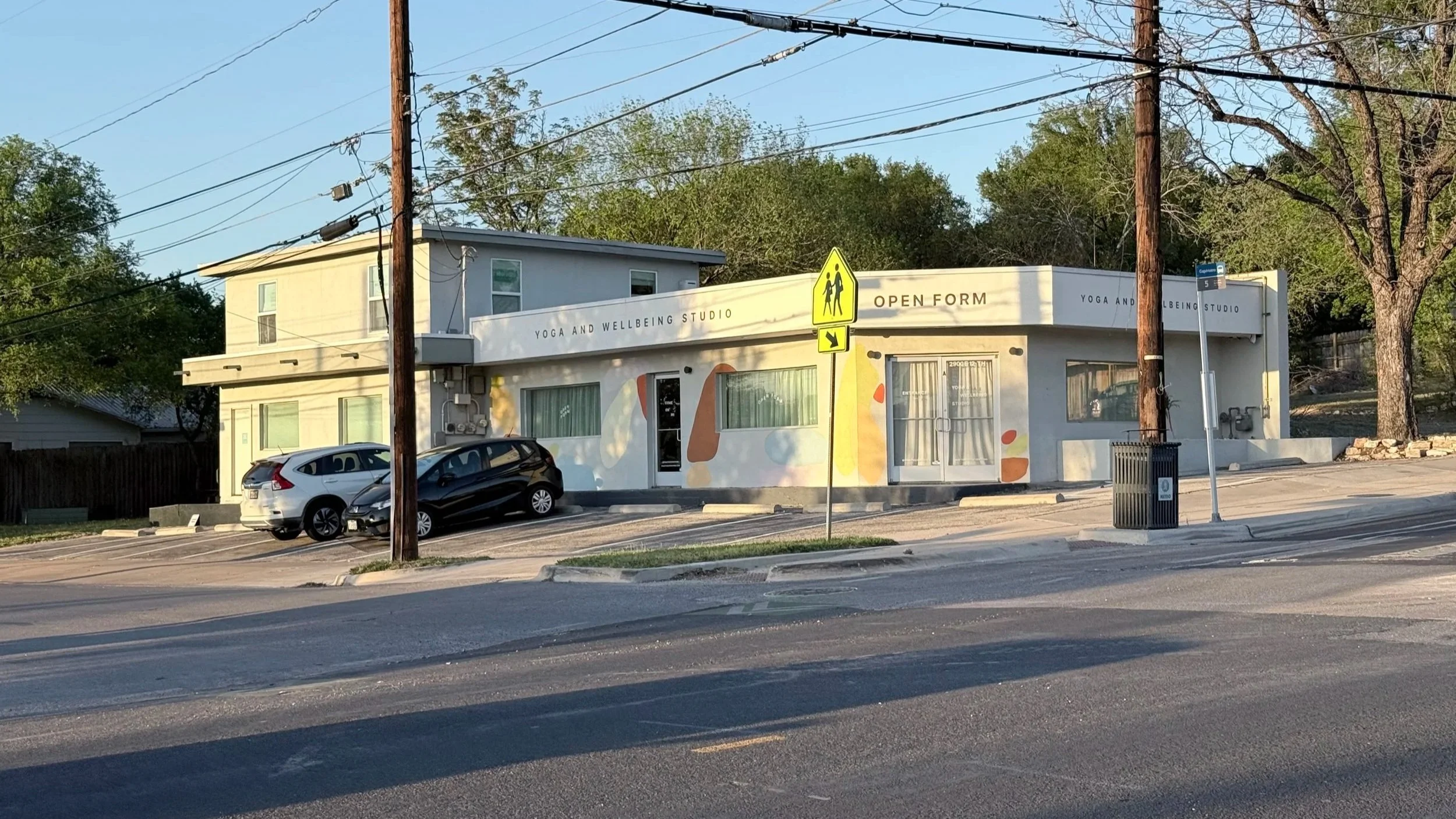
Echol’s Corner, 2026, Aseel Al-Khdairat
While many of his residential projects have been lost over time, often amid pressures from rising property taxes due to the gentrification of East Austin, extant examples include a home for Courtney Powell at 1310 Walnut Avenue (Street built this and a neighboring residence at 1308 Walnut in 1939, making both among his earliest known projects); [20] the Kirk family house at 1908 Maple Avenue (1962); and the Hill-Thompson House at 1906 Maple Avenue (1963).
Street’s work was not limited to construction and he designed many of his earlier residential projects, like the Kirk family home. The Hill-Thompson House was designed by John S. Chase and marks one of Street’s many collaborations with the trailblazing Black architect. [21]
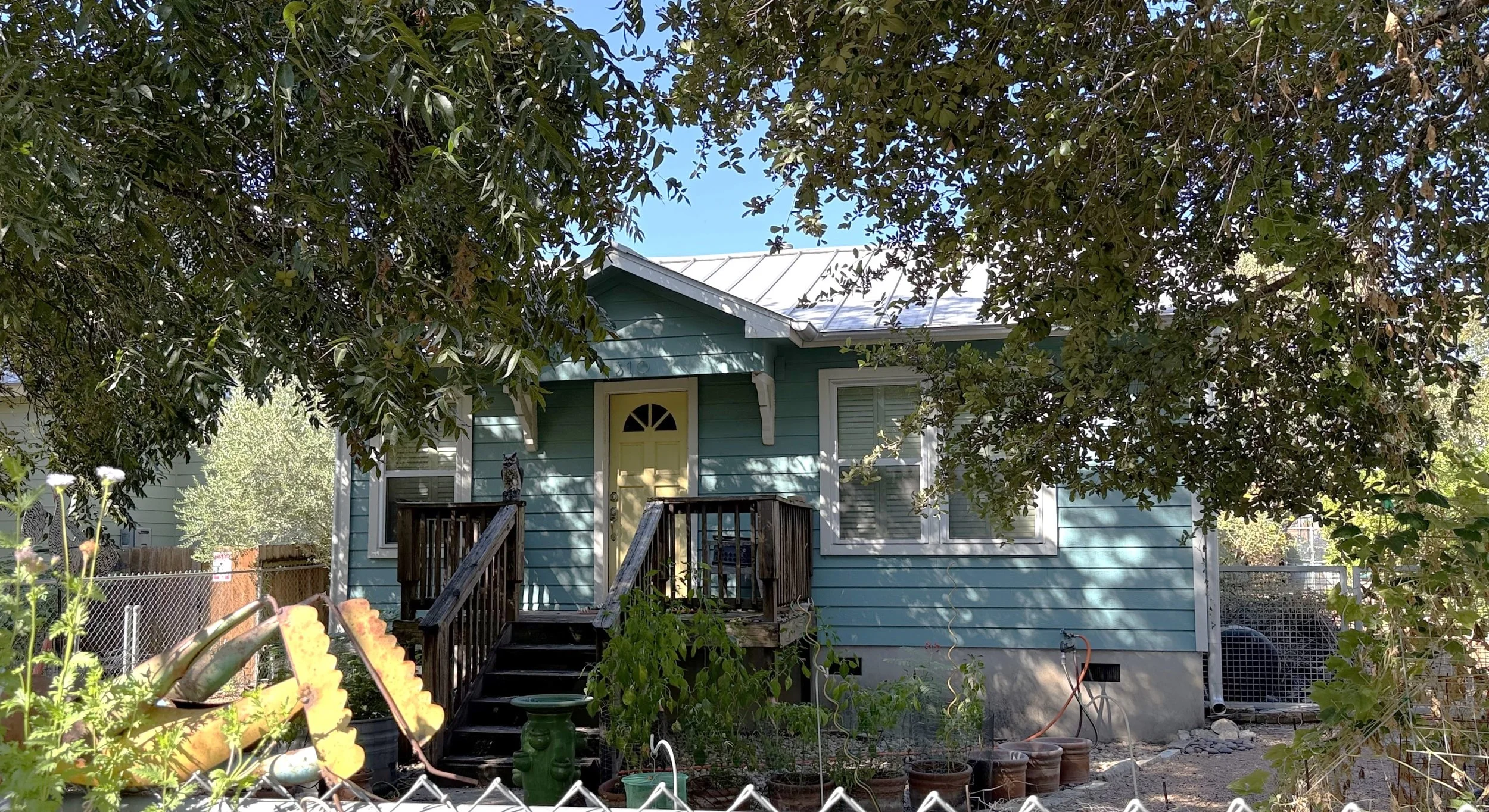
1310 Walnut Avenue, 2026, Aseel Al-Khdairat
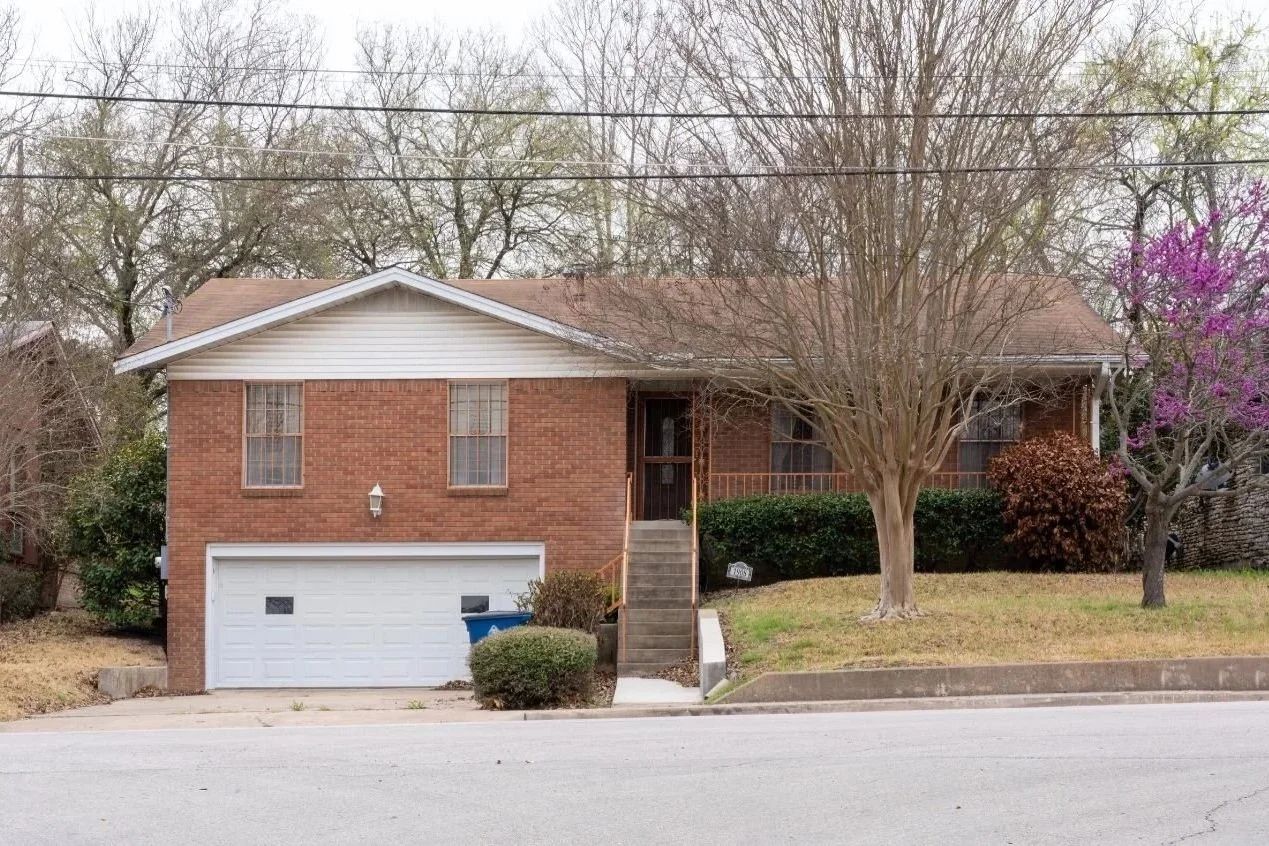
Kirk House, 2021, Lauren Kerr
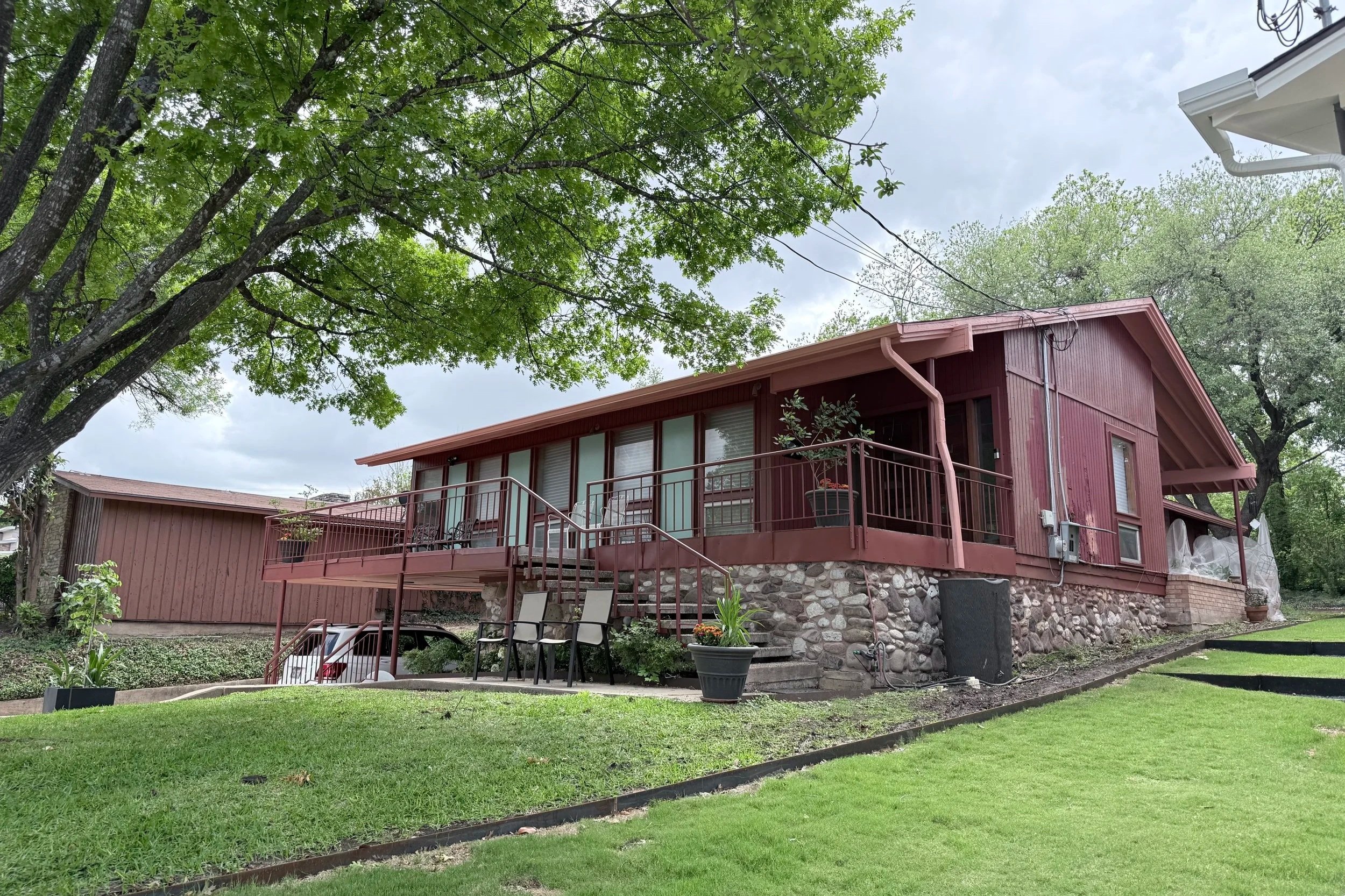
Hill-Thompson House, 2026, Aseel Al-Khdairat
John S. Chase, FAIA, was one of the first Black graduate students to enroll at The University of Texas at Austin and the first Black licensed architect in Texas. [22] The two worked together on David Chapel Missionary Baptist Church, completed in 1959 at 2211 East Martin Luther King Jr. Boulevard. Street was awarded the project in 1957 by the financier, the St. John Regular Baptist Association, with the construction permit valued at $141,000. [23] At the time, the project represented a remarkable achievement in Austin’s history, bringing together African American leadership and expertise across multiple professional fields. [24] The project was owned, operated, and funded by Austin’s African American community. The project is also widely credited as exemplifying the concepts presented in Chase's master's thesis, "Progressive Architecture for the Negro Baptist Church." By any measure, David Chapel ranks among Austin’s most significant works of modernist architecture and stands as a powerful example of Black professional collaboration during segregation in Austin. [25] Street and Chase collaborated again on the construction of the Olivet Baptist Church (1961) and on The Good Samaritan Nursing Home in Longview city in Texas (1963). [26]
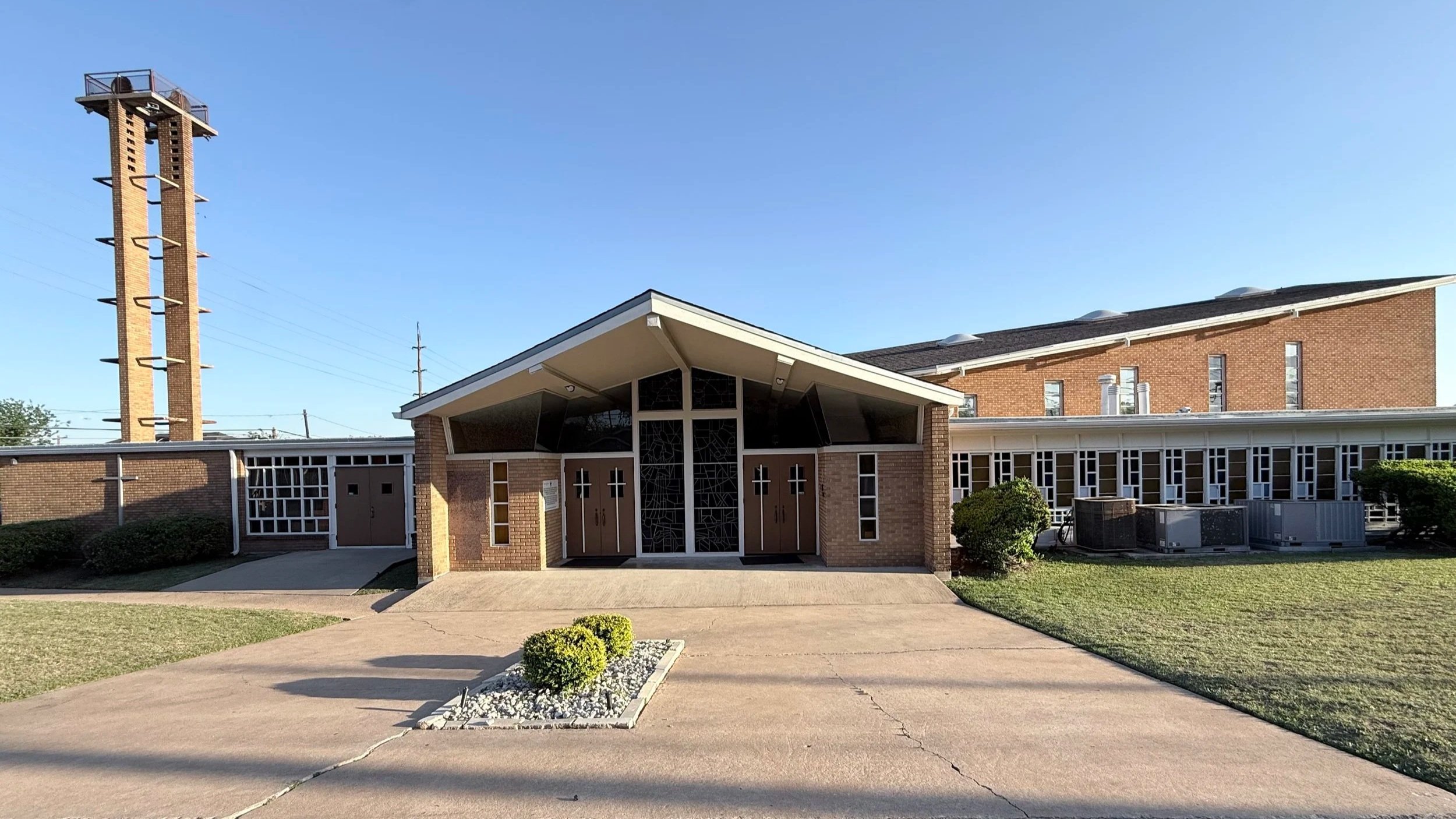
David Chapel Missionary Baptist Church, 2026, Aseel Al-Khdairat
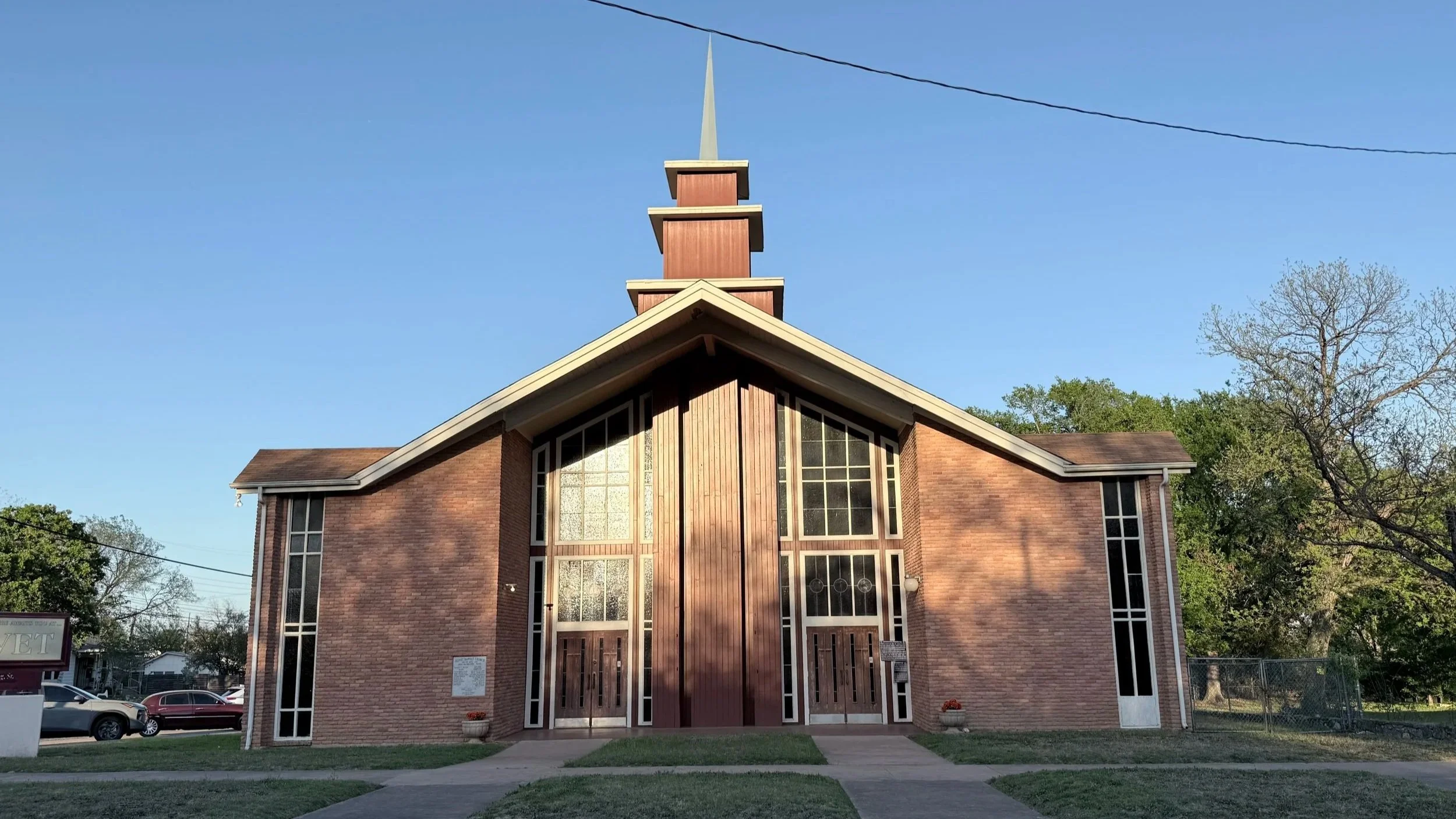
Olivet Baptist Church, 2026, Aseel Al-Khdairat
Another significant project, and one of which Street was particularly proud, was his remodeling of the St. John Regular Baptist Association Tabernacle at 7501 Blessing Avenue. [27] Built in 1957 and designed by architect Earl Dillard, [28] Street remodeled the Tabernacle in the 1970s. [29] In later years, the building suffered from neglect, vandalism, and frequent fire damages, ultimately leading to its demolition in January 2026. [30]
Street also contributed his skills through numerous remodeling projects for family and community members over his career. He remodeled his parents’ house at 402 North Pleasant Valley and worked on his son's Northeast Austin home in 1988. [31] In Miami, likely in the 1950s, he completed renovations to his mother-in-law’s apartment in the Paradise Hotel, which she owned and operated. After urban renewal displaced her, she sold the property to the U.S. Department of Housing and Urban Development (HUD) in 1968, and purchased a home in Northwest Miami along with several rental apartments. Street later helped remodel these properties, likely between 1968 and 1970. Years later, in 1987, he remodeled The Villager newspaper’s office at 1223 Rosewood Avenue. An article about the renovation stated, “Oliver Street of Street Construction Company was a miracle worker on restoring the property for commercial use.” [32]
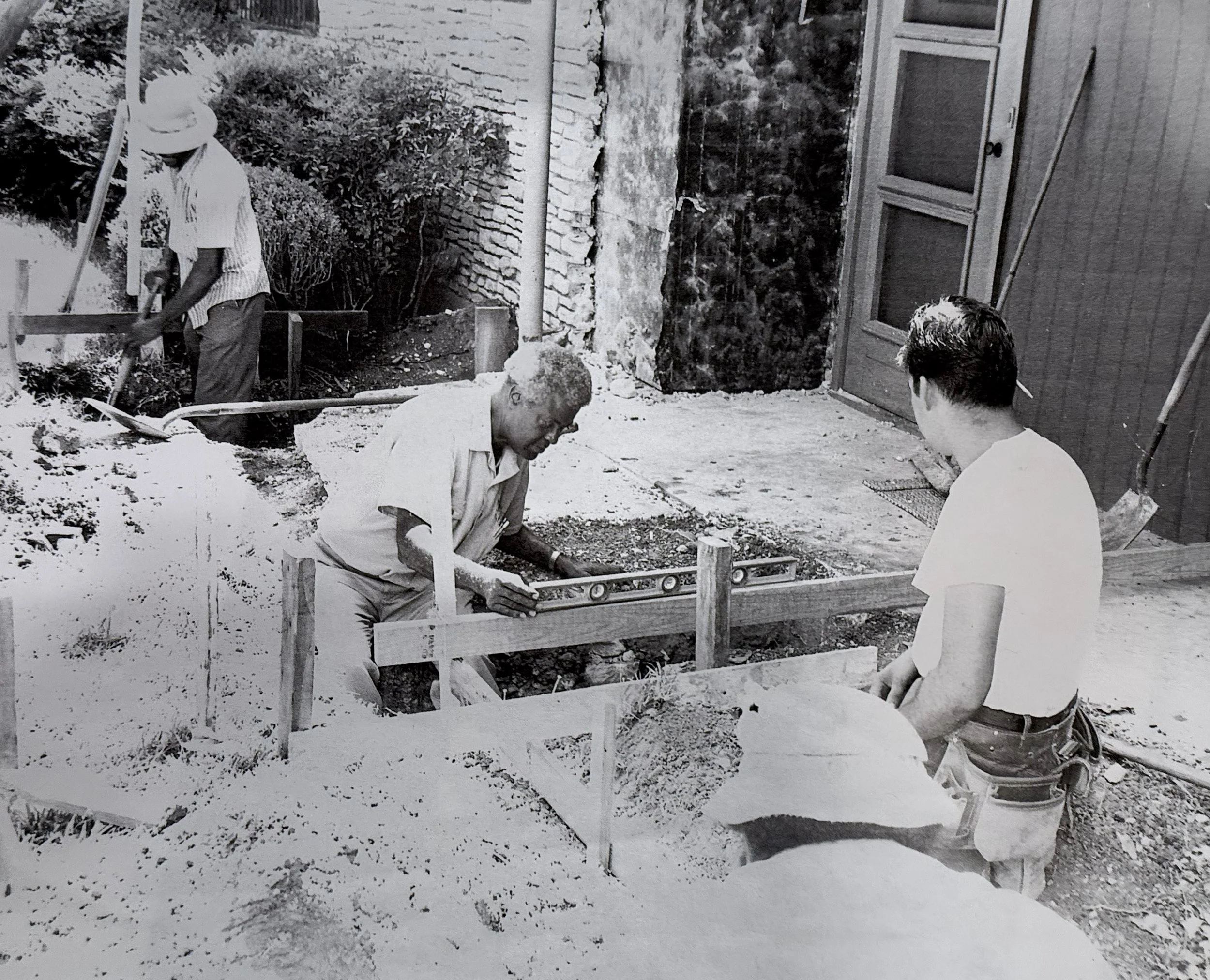
Oliver B. Street at a building site. Folder 6, Box 1, AR.2012.003. Oliver B. Street Papers, Austin History Center, Austin Public Library.
Beyond Buildings: A Commitment to Community
Outside of Street’s work, he was an active community member engaged in numerous business and civic organizations. He served as a charter member of the Capital City Lions Club and participated in the Office Education Program for student trainees of the Austin Independent School District. He served as the president of the Negro Chamber of Commerce during segregation, completed a three-year term as a member of the Board of Directors of the Better Business Bureau, was a member of the Austin Chamber of Commerce during integration, and served as the president of the East Austin Chamber of Commerce. During Street’s tenure, the Chamber hosted a reception for Lady Bird Johnson, whose husband, then-U.S. Senator Lyndon B. Johnson, would later become president of the United States.
He was a charter member of the National Business League, a member of Phi Beta Sigma Fraternity, a member of the Minority Contractors, and a life member of the NAACP. He was also a trustee of the Ebenezer Third Baptist Church and numerous other community organizations.
Street also received many awards and recognitions, such as an award from the Zeta Phi Beta Sorority Incorporation for his contributions in the field of Building Construction. [33] Mr. Street’s personal life combined professional passion with enjoyment of life. As Oliver B. Street II recalled, “He enjoyed national and international travel, occasional camping, vacationing with friends, and playing bridge.” [34]
Street passed away at age 77 on January 31, 1988. At his funeral service, Reverend Freddie Dixon of Wesley United Methodist Church reflected on his trailblazing career, noting, “He stood out as one in a field all alone in the early days.” [35]
Oliver's legacy continues to extend into everyday life through his work, family, and social influence. He represents a Black professional who succeeded during a challenging period in Austin’s history. He was not only a businessman, but also a community leader who took responsibility for supporting others and creating opportunities. In 2004, the Austin Revitalization Authority completed two new retail and commercial buildings on East 11th Street, directly across from where Mr. Street’s office once stood. In recognition of his civic and business leadership, the building at 1000 East 11th was named the Street-Jones Building in honor of Mr. Street and fellow business, civic, and religious leader Deacon Walter J. Jones. Highlighting Street’s achievements and contributions is important not only for Austin’s history, but for preserving his memory and recognizing how he and other Black leaders helped shape the city we know today.
Aseel Al-Khdairat is Preservation Austin's inaugural JuanRaymon Rubio Preservation Fellow for 2026. She holds an Architecture degree from Jordan University of Science and Technology, and a master’s degree in Historic Preservation from The University of Texas at Austin. Aseel is interested in underrepresented histories and her research addresses critical topics and analysis of the built environment, policies, and the society.
Aseel and Preservation Austin are grateful to Oliver B. Street II for sharing his insight and memories in support of the preparation of this article.
-
[1] Mrs. Dorothy Turner of the Black Citizens Work Force, quoted in the “The Life and Legacy of Mr. Oliver B. Street”, Nokoa Newspaper, Oliver B. Street Construction Company, 1988, Oliver B. Street Biography, AR.2012.003, Oliver B. Street Papers, Austin History Center, Austin Public Library.
[2] Unidentified newspaper clipping, Box 1, Folder 5, AR.2012.003, Oliver B. Street Papers, Austin History Center, Austin Public Library.
[3] Unidentified newspaper clipping, Box 1, Folder 5, Oliver B. Street Papers.
[4] Oliver B. Street Biographical Notes, AR.2012.003, Oliver B. Street Papers, Austin History Center, Austin Public Library.
[5] Oliver B. Street II, questionnaire responses provided to author via email, August 2026.
[6] Street II, questionnaire responses, August 2026.
[7] Street II, questionnaire responses, August 2026.
[8] Oliver B. Street Biographical Note, AR.2012.003, Oliver B. Street Papers, Austin History Center, Austin Public Library.
[9] Maery Lou Young Street’s handwritten notes, undated, AR.2012.003, Oliver B. Street Papers, Austin History Center, Austin Public Library.
[10] Oliver B. Street Biography, AR.2012.003, Oliver B. Street Papers, Austin History Center, Austin Public Library.
[11] “500 People gathered for Centennial Reception at the Wyndham Hotel,” September 23, 1983, Box 2, Folder 2, AR.2012.003, Oliver B. Street Papers, Austin History Center, Austin Public Library.
[12] Austin History Center, “Oliver B. Street Papers,” AR.2012.003, Austin Public Library, accessed August 8, 2026, https://ahc.access.lyrasistechnology.org/repositories/2/resources/1655.
[13] Oliver B. Street Biography, AR.2012.003, Oliver B. Street Papers, Austin History Center, Austin Public Library.
[14] Oliver B. Street Biography, Oliver B. Street Papers.
[15] Oliver B. Street II, questionnaire responses provided to author via email, May 2026.
[16] “Most Worthy Citizen Award Nomination” letter from C. W. McClure, president of the Capital City Lions Club, to the Austin Board of Realtors, March 18, 1981, Box 1, Folder 1, AR.2012.003, Oliver B. Street Papers, Austin History Center, Austin Public Library.
[17] Oliver B. Street Biography, AR.2012.003, Oliver B. Street Papers, Austin History Center, Austin Public Library.
[18] “Services Thursday for Black Builder,” The Austin Statesman, February 3, 1988, Box 1, Folder 5, AR.2012.003, Oliver B. Street Papers, Austin History Center, Austin Public Library.
[19] Owens Garage, 1408 East 13th Street, Austin, Texas, is documented in a photograph preserved in Box 2, Folder 2, AR.2012.003, Oliver B. Street Papers, Austin History Center, Austin Public Library. The photograph’s inclusion in Street’s papers suggests a possible connection to his work; however, the nature and extent of his involvement remain undetermined. Research by the author in Travis Central Appraisal District records, Austin building permits, and Oliver B. Street Papers at Austin History Center did not identify additional documentation clarifying his role.
[20] Tara A. Dudley, unpublished research documenting Oliver B. Street buildings, shared with the author in 2026.
[21] Photographs of Oliver B. Street projects, Box 1, Folder 7, AR.2012.003, Oliver B. Street Papers, Austin History Center, Austin Public Library.
[22] The University of Texas at Austin School of Architecture, “The Life & Architectural Legacy of John S. Chase,” February 19, 2024, https://soa.utexas.edu/news/life-architectural-legacy-john-s-chase.
[23] “Oliver B. Street Sr.,” Reflections/Portrait Guide, 2013, AR.2012.003, Oliver B. Street Papers, Austin History Center, Austin Public Library; “Building Set by Baptists,” The Austin Statesman, December 19, 1957, ProQuest Historical Newspapers.
[24] David Chapel Missionary Baptist Church, “Church History,” accessed August 8, 2026, http://oldsite.davidchapel.org/about/church-history/.
[25] Marla Akin, “Common Ground: The Story of Austin’s Newest, and Only Black, Historic District,” Sightlines, June 2, 2021, https://sightlinesmag.org/common-ground-the-story-of-austins-newest-and-only-black-historic-district.
[26] “Longview Nursing Home Dedicated,” unidentified newspaper clipping, Box 1, Folder 5, AR.2012.003, Oliver B. Street Papers, Austin History Center, Austin Public Library.
[27] Oliver B. Street II, questionnaire responses, May 2026.
[28] Photograph of the cornerstone inscription on the main façade of the St. John Regular Baptist Association Tabernacle, 7501 Blessing Avenue, Austin, Texas, Instagram, July 18, 2025, https://www.instagram.com/p/DMP9xNRsV81/.
[29] Oliver B. Street II, questionnaire responses, May 2026.
[30] Destini Ambus, “St. John’s Revival: A Tabernacle Falls, but the Lifework Lives On,” Austin Free Press, August 31, 2026, https://austinfreepress.org/st-johns-revival/; Citizen Portal, “Austin Commission Orders Demolition of Fire-Damaged St. John Tabernacle after Owner Says Restoration Unaffordable,” October 8, 2025, https://citizenportal.ai/articles/5927941/texas/travis-county/austin/austin-commission-orders-demolition-of-firedamaged-st-john-tabernacle-after-owner-says-restoration-unaffordable.
[31] Oliver B. Street II, questionnaire responses, May and August 2026.
[32] “Villager Prepares to Move into New Office,” The Villager, July 10, 1987, vol. 15, no. 10, Portal to Texas History, University of North Texas Libraries, https://texashistory.unt.edu/ark:/67531/metapth1718721/.
[33] Oliver B. Street Biography, AR.2012.003, Oliver B. Street Papers, Austin History Center, Austin Public Library.
[34] Oliver B. Street II, questionnaire responses, May 2026.
[35] “Services Thursday for Black Builder,” The Austin Statesman, February 3, 1988, Box 1, Folder 5, AR.2012.003, Oliver B. Street Papers, Austin History Center, Austin Public Library.